News and Blog, Uncategorized

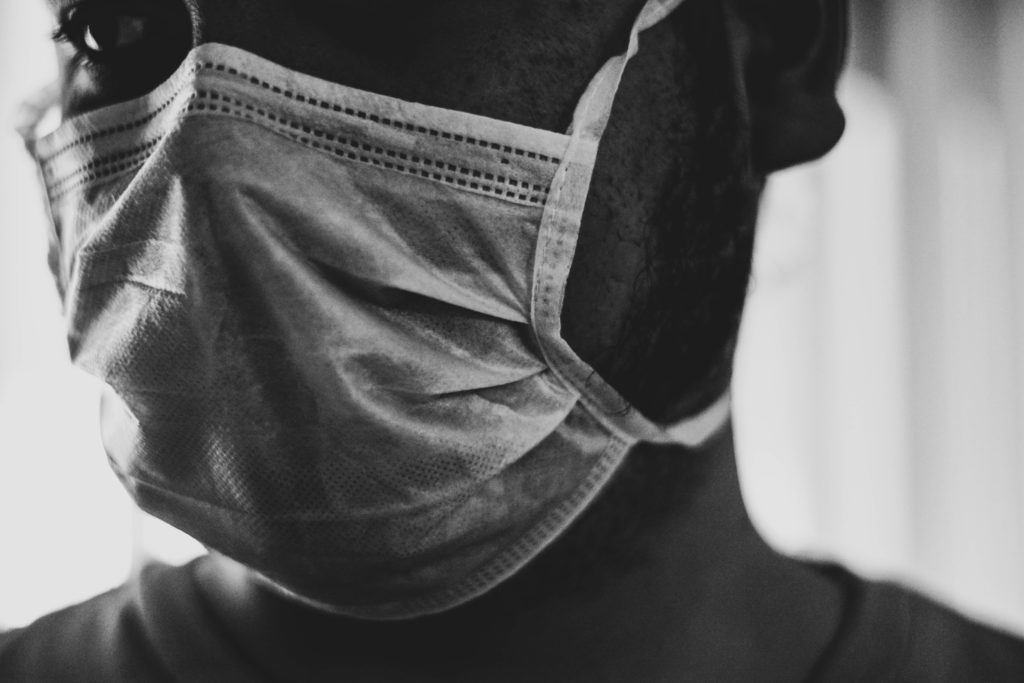
Systemic Racism Is Making Coronavirus Worse in Black America

By: Dr. Judy Lubin, Founder and President of CURE The COVID-19 global pandemic is a nightmare unfolding before our eyes that could have devastating impacts that Black Americans could feel most acutely. With scarce testing, health care workers and ventilators, combined with a pattern of red state governors ignoring science and placing profits above people, there are signs that Black communities across the country are bearing the brunt of an inept federal response and unjust health care system unprepared to handle the surge of COVID-19 patients. This, of course, doesn’t have to be the case, but government failure and systemic racism means far too many Black people, especially in the South, will lose their lives unless government leaders immediately course correct from the predictable and alarming outcomes ahead. Preliminary data show high case counts among Black residents in emerging hotspots, including New Orleans, New York, Detroit, Milwaukee, Charlotte and Albany, Georgia. There are also reports from cities, including St. Louis and Nashville, that predominantly Black neighborhoods have been slow to receive testing sites and equipment compared to white, affluent areas. COVID-19 is a perfect storm of systemic inequities operating together to worsen existing vulnerabilities. Widespread testing, for example, is still not happening, and tests are being rationed with only the sickest, often at death’s door, being provided diagnostic tests to determine if they have the virus. Health care workers are doing heroic work under unimaginable conditions, but stories like that of Rana Mungin — a 30-year-old Black woman and Brooklyn teacher who was turned down three times before receiving a COVID-19 test and was in a coma, clinging for her life — is a warning sign of a system under stress and poised to reproduce known racial inequities in health care services. With little to no race or ethnicity data being reported on who has been tested and a well-documented history of racial bias shaping health care decisions, a group of doctors and researchers called on the Centers for Disease Control and Prevention and the World Health Organization to report these numbers for COVID-19 testing. Several Democratic leaders including Sen. Elizabeth Warren and Rep. Ayanna Pressley followed with a similar request to Health and Human Services Secretary Alex Azar. Biases are more likely to shape decisions under stressful situations, and with a system overwhelmed, such biases may enter the equation when health care workers have to make difficult decisions about who qualifies to be tested. The same is true for determining who has access to other limited health care resources like ventilators. Recently, I awoke to a heartbreaking email from a public health colleague in a hard-hit state. He was seeking guidance on how to make equitable decisions on ventilators because current crisis standards of care, which are guidelines that state health departments use for these types of public health emergencies, will likely further disadvantage the already disadvantaged — including Black patients that have underlying health conditions that may worsen their prognosis for survival. Physicians shouldn’t be placed in these positions in a nation that has the resources to coordinate a rapid and equitable response to the demands of this pandemic. Instead, the Trump administration has dragged its feet in using the Defense Production Act to ramp up production of badly needed ventilators and other medical supplies. All along the way, the president has failed as a leader by calling the COVID-19 threat a hoax, and criticizing requests for medical supplies and demanding praise in return for federal aid from Democratic governors in states hit hard by the virus. Equity — not petty politics — should be the guiding principle in this emergency, and that means resources should be targeted to where they are needed most. Ventilators, for example, should be prioritized for distribution to known hotspots like New York City, New Orleans, Detroit and areas that will likely experience a surge in severe coronavirus cases because of chronic health inequities and under-resourced health care systems, common in the South. Long before COVID-19, Black communities were experiencing deep health and economic inequities that are only intensified by a public health crisis of this magnitude. African Americans experience higher rates of diabetes, hypertension and respiratory illnesses associated with COVID-19 death not because Black people are inherently sicker, but because systemic racism has created the conditions for these health inequities to develop. Concentrated poverty, substandard housing, lack of health insurance, employment discrimination, poor water and air quality, and the day-to-day stress of living in a society that devalues our humanity all work together to chip away at our health. Combine these health inequities with resistance among Republican governors to implement stay-at-home orders that public health experts have said are needed to slow the spread of the virus, and we have the conditions for COVID-19 to explode in the South, where close to 60 percent of all Black people in the U.S. live and where the majority of states in the region have not expanded Medicaid. Alabama’s GOP Gov. Kay Ivey, for example, in initially refusing to issue a stay-at-home order, stated that she didn’t want to “choke” business, and proudly proclaimed the state was unlike Democratic-led Louisiana, New York and California, which have stay-at-home orders in place. Florida, Georgia, Mississippi, South Carolina and Tennessee were also among holdout states that refused to promptly issue statewide shelter-in-place orders. Inept government leadership in this pandemic is costing lives, and the slow and uncoordinated federal response is having domino effects across the country. Those impacts will be deeper and greater for Black and Brown workers, many of whom are already struggling to make ends meet, have no health care coverage, and have jobs where they are expected to work while everyone else is sheltering at home to flatten the curve and avoid being infected by the virus. Moreover, Black Americans make up 40 percent of the homeless population, who are especially vulnerable to a pandemic where the public is being asked to stay home as a protective measure. In prisons and jails, where Black people are disproportionately among those incarcerated, these environments are ticking time bombs for an outbreak of COVID-19 due to the difficulty of maintaining social distance in close quarters, unsanitary conditions, and the number of […]
News and Blog

We Need an Equitable Response to Coronavirus. These Tools and Resources Center Racial Equity, Community Care and Power-Building.

COVID-19, also referred to as coronavirus, is projected to have serious negative impacts on Black, Indigenous, people of color, immigrants, and low-income, LGBTQ and incarcerated people and other marginalized communities. Throughout the globe, coronavirus is spreading rapidly and exposing inequities and the systems of oppression that cause harm and threaten our collective wellbeing. These systems coupled with an inadequate and xenophobic federal response in the U.S. to the coronavirus pandemic will intensify the daily impacts of systemic racism on people of color who are already experiencing limited access to health care and paid sick leave, mass incarceration, and higher rates of underlying conditions such as diabetes, heart disease and respiratory illnesses that make COVID-19 infections deadly.  Given the multiple intersections of health, economic and social harms that will be felt disproportionately by communities of color, the Center for Urban and Racial Equity (CURE) developed the Equitable Response Community Commons, an online hub for equity and justice in the U.S. coronavirus response. We encourage you to use this site to post resources and to share it with your networks to invite contributors. We envision this tool serving as an easily accessible resource for quickly finding tools and information in over 20 categories addressing  anti-racism and stigma, policy demands and calls to action, mutual aid networks, testing and health care services, financial assistance, and population-specific issues and outreach materials. We are all in this together. This moment is asking us to care for each other in ways we may  not have thought possible before and to work collaboratively to make sure our communities receive the necessary care and services. Below we’ve compiled a few resources featured on the Equitable Response Community Commons. If you have resources to add to this list, please add them on the hub here: https://urbanandracialequity.org/covid19equitableresponse.   Take Action & Policy Demands  New Politics: Demands from Grassroots Organizers Concerning COVID-19 Kelly Hayes at New Politics compiled a list of demands that should be made of federal, state and city governments including free testing for anyone who is being told by a clinician that they should be tested, free care for those who test positive, financial and material assistance plans for people who are unable to work because of social distancing orders, and a moratorium on ICE deportations to ensure that undocumented people are not discouraged from seeking treatment or testing.  NAACP: Ten Equity Implications of the Coronavirus COVID-19 Outbreak in The United States The NAACP released a guide to help officials responsible for addressing health, economic, and other impacts, in remediating some of the issues that are disproportionately affecting communities of color.  National Nurses United: Tell Congress: We demand nurses are protected during COVID-19 Nurses across the country report that they are not receiving the proper staffing, personal protective equipment (PPE), education, and communication from their employers, or isolation rooms they need to safely care for COVID-19 patients. The National Nurses United is collecting names for their sign-on letter to demand Congress to protect nurses during the COVID-19 outbreak.   The Detention Watch Network: #FreeThemAll Incarcerated people in jails, prison and ICE detention centers are at increased risk of COVID-19 given the difficulties with maintaining sanitary conditions and frequent cycling of detainees and staff in and out of these facilities. The Detention Watch Network created a toolkit to support local demands for mass release of people in ICE custody.    Financial Assistance & Unemployment  One Fair Wage: Emergency Fund for Tipped and Service Workers Tipped workers are often paid a sub-minimum wage because tips are supposed to make up the difference in pay but they often don’t. According to One Fair Wage, that nations’ largest workforce of women of color are tipped and services workers and therefore, work hard all day for pocket change. If you’re a tipped or service worker, you can apply for financial assistance through One Fair Wage’s emergency fund. Restaurant workers, delivery drivers, personal service workers and Uber/Lyft and InstaCart/DoorDash workers are eligible to apply. Arts Leaders of Color Emergency Fund  The Arts Administrators of Color Network has set up the Arts Leaders of Color Emergency Fund to in support BIPOC (Black, Indigenous, People of Color) artists and administrators (consultants, facilitators, box office staff, seasonal/temporary employees, etc.) who have been financially impacted due to COVID-19. BIPOC artists or administrators in financial need, can apply for assistance using this application form.  United Way 211.org   This site helps you find your local 211 or simply dial 211 to speak with someone who can help.  211 providers help connect people with services and resources in their local communities. If you need assistance finding food, paying house bills, accessing free childcare, or other essentials – get connected with your 211 provider.    Intimate Partner Violence Futures Without Violence: Information for Domestic Violence Survivors  Social distancing during the Coronavirus pandemic can place people who are surviving violence in their relationships and families in danger due to increased isolation and additional challenges during this unprecedented time. Futures Without Violence provides information for survivors of domestic violence and care providers including links to safety plans and resources for self-care and domestic and sexual violence advocacy organizations.   Coronavirus Testing & Heath Care Resources  The Center for Popular Democracy – I Can’t Get a Test  Do you have symptoms of COVID-19 and can’t get a test? Heroes 4 Healthcare and the Center for Popular Democracy are collecting data for a week of action to demand access to COVID-19 testing.    Homelessness and Housing Insecurity Public Health Awakened: Protecting Unhoused People from COVID-19 Public Health Awakened compiled a list of resources and information for community-based services providers including guidance for community and faith-based leaders and considerations for limiting the spread of infectious disease among homeless populations.   Sustainable Economies Law Center: Legal Template For Tenant Needing Rent Extension Far before coronavirus, the risk of eviction was already a serious poverty-related inequity affecting Black and Latinx women. While there has been a call to halt evictions in response to the spread of COVID-19, the Sustainable Economies Law […]

News and Blog

Racial Justice 2020 Scorecard and Event Roundup

In February, CURE’s Dr. Judy Lubin joined community organizations in South Florida and South Carolina to engage voters who care about racial justice and want to understand where the candidates stand on our issues. The event titled Racial Justice 2020: Voting & Building Power for a Just Future explored policy issues, CURE’s 2020 Racial Justice Presidential Scorecard, voter engagement and how we can build a just future together. On February 19, we joined South Florida People of Color at the Miami Theater Center in South Florida.  The event featured opening remarks by Dr. Lubin followed by a panel discussion with Dwight Bullard of the New Florida Majority, Jo Hanna “J” Thompson of the National Black Women’s Justice Institute, Francesca Menes of The Black Collective and Ruben Roberts of the NAACP. To watch the event, click here.  Later that week on February 22, we joined USC Upstate’s NAACP chapter in South Carolina to bring a community discussion about voter mobilization to the Black History Month Festival. The event was attended by students and the general public.  Also, there were field offices of several presidential candidates in attendance. 

News and Blog

Decision 2020: Voter Registration, Protection and Election Information

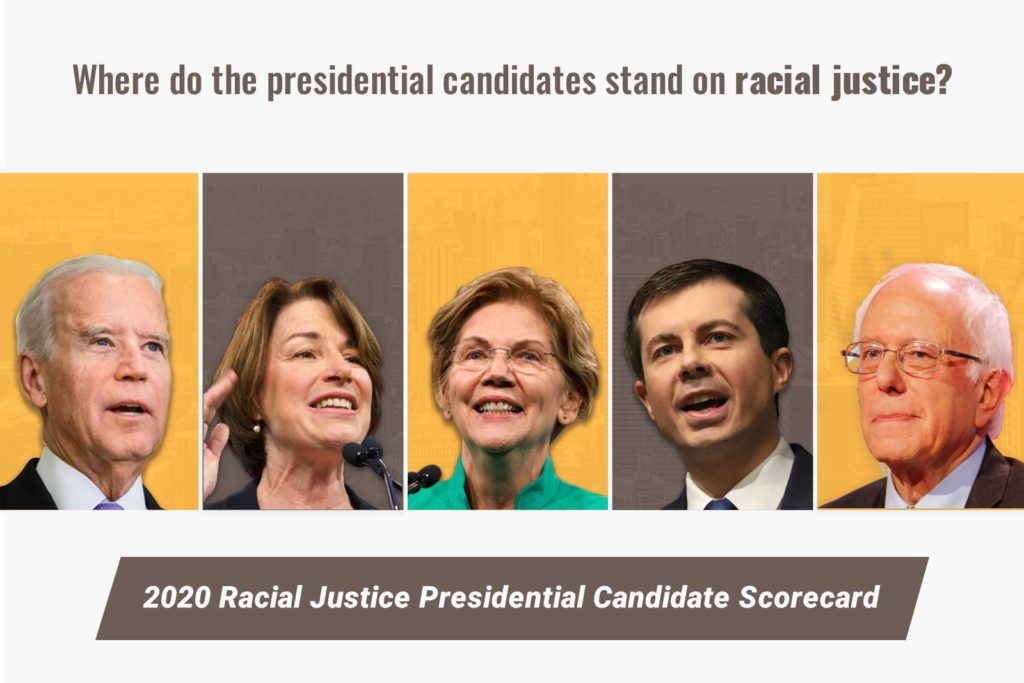
From housing, health care, education, and the basic tenets of democracy–this year’s presidential election is an important one, with many issues critical to our nation and our communities under threat. Through CURE’s 2020 Racial Justice Presidential Candidate Scorecard and our Racial Justice 2020 events, we’re sharing information and tools to build power with voters and communities across the nation. Our issues, voices and votes matter. In an age of disinformation and voter suppression, we fight back by staying informed, pushing candidates to prioritize our issues, and connecting with voters to share resources and get out the vote. Check out and share this list of organizations and tools that are working toward these goals. 2020 Racial Justice Presidential Candidate Scorecard  The 2020 Racial Justice Presidential Candidate Scorecard summarizes the presidential candidates’ policy proposals through a racial equity lens across key areas including criminal justice reform, education, health care, voting rights, reparations, environmental justice, immigration, indigenous rights, and policies to close the racial wealth gap.  Support Voting Rights Restoration Florida Rights Restoration Coalition (FRRC) FRRC is a grassroots, membership organization that helps returning citizens register to vote.  FRRC also offers to pay remaining fines and fees on sentences that often create a barrier for returning citizens to vote.  Voter Protection Fair Fight 2020 Fair Fight brings awareness to the public on election reform, advocates for election reform at all levels, and engages in targeted voter registration and other voter outreach programs and communications. Election Protection 866-OUR-VOTE The national, nonpartisan Election Protection coalition works year-round to ensure that all voters have an equal opportunity to vote and have that vote count. Made up of more than 100 local, state and national partners, Election Protection uses a wide range of tools and activities to protect, advance and defend the right to vote. On election day, call 866-OUR-VOTE to report incidents or get help voting.  Voter Registration Resources  USA.GOV Visit USA.GOV to find information on how to register to vote, change your registration, confirm your registered, get a voter registration card, and more.  You can call USAGOV at 1 (844) USA-GOV1 to ask questions about the government for free.  Vote.org  Vote.org uses technology to simplify political engagement, increase voter turnout, and strengthen American democracy.  On the website, you can check your registration, register to vote, get your absentee ballot, get election reminders, and more.  Vote411.org  Operated by the League of Women Voters, this site is a “one-stop-shop” for election related information.  Users can find information on absentee ballot information, early voting options, election dates, polling place location, registration deadlines, and more.   

News and Blog

Former Mayor Michael Bloomberg Scores “F” Grade on 2020 Racial Justice Presidential Candidate Scorecard

WASHINGTON (February 12, 2020) — Today, the Center for Urban and Racial Equity (CURE) announced the addition of former New York City Mayor Michael Bloomberg to its 2020 Racial Justice Presidential Candidate Scorecard. Bloomberg received an “F” grade, placing him among the lowest ranked of the presidential candidates including Former Vice President Joe Biden (D) and Tom Steyer (D). While Bloomberg’s proposed Greenwood Initiative includes promising economic justice strategies for Black America and landed him high scores in the Housing and Racial Wealth Gap category of the scorecard, his criminal justice record in NYC should give any racial justice voter cause for concern. During his tenure, stop-and-frisk police stops exploded, with police making over 5 million stops of mostly Black and Latinx men and boys during Bloomberg’s three terms as mayor. Stop-and-frisk was eventually ruled unconstitutional and found to be ineffective in reducing crime but not before it caused lasting harm to many New Yorkers of color. Bloomberg also has not released plans in several areas evaluated in the scorecard including police reform, universal pre-k, and protection of Indigenous rights and sovereignty.  The latest candidate scores as of 2/11/2020 are as follows:  The Rankings Elizabeth Warren A- 91/100 Bernie Sanders B+ 88/100 Pete Buttigieg B+ 86/100 Amy Klobuchar C 73.5/100 Tom Steyer D 67.5/100 Joe Biden D 61.5/100 Michael Bloomberg F 55.25/100 Tulsi Gabbard F 55/100 Donald Trump F 3.25/100   Since its launch in December 2019, the scorecard has been featured in theRoot, Ebony, NewsOne, HuffPost and other national media. The scorecard analyzes presidential candidates’ policy proposals through a racial equity lens across critical areas including criminal justice reform, education, health care, voting rights, reparations, environmental justice, immigration, indigenous rights, the racial wealth gap, and candidates’ past and current rhetoric and language around racial justice issues important to communities of color.   The scorecard has had an impact on the race as presidential campaigns have contacted CURE to explore ways to improve their scores. Most importantly, the scorecard is a resource for voters who care about racial justice issues, with the website averaging 12,000 weekly unique visitors. CURE is co-hosting events with community organizations to engage voters in dialogue on where the candidates stand on racial justice. Upcoming events include policy forums in Miami, Fl and Spartanburg, SC ahead of the primaries in those states.  For more information, visit www.racialjustice2020.org.

News and Blog

Racial Justice 2020 Community Forums – Book a Keynote for Your Event

Following the national launch of our 2020 Racial Justice Presidential Candidate Scorecard featured in theRoot, Ebony, NewsOne, HuffPost and other national media, CURE is connecting with community organizations, women’s and student groups to share this resource and engage in dialogue about the issues shaping the presidential election. With Democratic primaries coming up, it’s important that voters who care about racial justice understand where the candidates stand on our issues. That’s why CURE is taking its Racial Justice 2020: Voting & Building Power for a Just Future keynote and conversation featuring CURE’s president, Dr. Judy Lubin to local communities. If you would like to book a Racial Justice 2020 talk in your community during the months of February or March, please email cwilkinson@urbanandracialequity.org. To find out if a Racial Justice 2020 talk is already coming to your city, visit our event calendar. For the full event description, please see below: Title: Racial Justice 2020: Voting & Building Power for a Just Future Event Description: During the last decade voting rights were gutted and police killings of Black people sparked the Black Lives Matter movement and the beginning of important criminal justice reforms. It also brought the election of the first Black president followed by a Donald Trump presidency that is openly advancing a white nationalist vision of America that targets people of color, immigrants, Muslims, women, and LGBTQ people with policies that violate our rights, reinforce white supremacy and rollback efforts to advance racial justice. The next president must be willing to articulate a clear vision for racial justice that counters the conservative’s white identity agenda that is harming Black and Brown communities and that threatens to define the new decade. The Center for Urban and Racial Equity’s 2020 Racial Justice Presidential Scorecard encapsulates key components of this vision for equity and justice and tracks and scores the major candidates’ policy positions on voting rights, health care, education, reparations, environmental justice, criminal justice, immigration and other issues to help voters make an informed decision ahead of this year’s pivotal election. Join the Center for Urban and Racial Equity’s Dr. Judy Lubin for a dialogue on these issues, voter mobilization, CURE’s Presidential Scorecard and how we can build a just future together. The scorecard is designed to elevate racial equity in the candidate selection process, push candidates to prioritize issues important to Black and brown communities, and help voters who care about racial justice make an informed decision in 2020. For more information about CURE’s 2020 Racial Justice Presidential Scorecard, visit racialjustice2020.org.   Additional Scorecard Resources   Background Document Methodology Advocates Guide Social Media Graphics

2020 Racial Justice Presidential Candidate Scorecard
News and Blog

2020 Racial Justice Presidential Candidate Scorecard Launches

The Center for Urban and Racial Equity (CURE) in partnership with the Othering and Belonging Institute at the University of California Berkeley; Seeding Sovereignty, an indigenous womxn-led collective; and Community Health Councils released the 2020 Racial Justice Presidential Scorecard. The first of its kind, the scorecard analyzes presidential candidates’ policy proposals through a racial equity lens across critical areas including criminal justice reform, education, health care, voting rights, reparations, environmental justice, immigration, indigenous rights, and policies to close the racial wealth gap. The scorecard also examines candidates’ past and current rhetoric and language around racial justice issues important to communities of color. The Rankings Elizabeth Warren A- 91/100 Cory Booker A- 90/100 Julian Castro B+ 87.5/100 Bernie Sanders B+ 85.5/100 Pete Buttigieg B 83.5/100 Amy Klobuchar C- 71.25/100 Joe Biden F 55/100 Tulsi Gabbard F 55/100 Tom Steyer F 53/100 Andrew Yang F 51.25/100 Donald Trump F 4.75/100 “With the resurgence of white nationalism, anti-immigrant rhetoric and violence, and assaults on critical policies and programs from housing to health care under the current administration, the 2020 presidential election is a change election that should be about producing real change for Black and brown communities,” said Dr. Judy Lubin, president of the Center for Urban and Racial Equity. “We hope the scorecard pushes candidates to make these issues a priority for their campaigns and serves as a useful tool for voters who care about racial justice to make informed decisions in 2020.”Candidates received points based on their on-record (e.g., campaign website, news reports, public appearances) positions on policies most likely to address persistent racial inequities. The scoring criteria included support for specific policies to further racial justice, level of detail provided to describe their policy strategies, and language used in debates and public events to explain issues impacting Black and brown voters. The scorecard underwent a rigorous external review process to ensure the scoring of the candidates were fair and on issues of importance to communities of color. Grades and scores will be updated as candidates’ positions evolve. “The Racial Justice Scorecard articulates a valuable and needed conversation currently missing from the presidential election,” said Janet MacGillivary, J.D., LL.M, executive director of Seeding Sovereignty. “In a time of climate crisis, severe inequalities, and attacks on communities of color, it is crucial that we elect a president that is well-equipped and willing to shift social and environmental paradigms to dismantle these issues.” “The scorecard is not only useful for primary and general election voters to assess the candidates, but it is also an excellent repository of policy plans for a racial equity agenda. Bookmark this site!” said Stephen Menedian, assistant director, Othering and Belonging Institute. “During these times of political uncertainty, having a trusted source provide key information about the next president of the United States is an incredible resource,” said Veronica Flores, CEO, Community Health Councils. “The scorecard from the Center for Urban and Racial Equity offers the reader an opportunity to discover the history and presence of each candidate regarding their stand on racial equity, so people can make an informed decision at the polls.” The scorecard is available at www.racialjustice2020.org. Scoring methodology and detailed breakdowns of each candidate’s score is available on the website. The interactive website will be a resource for visitors to stay up-to-date on the progress of racial justice conversations throughout the 2020 presidential elections. Visitors will have access to updated scores, candidates’ policy positions, an advocate’s toolkit, and can engage presidential candidates with pre-filled social media messaging. Social media conversations about the scorecard and candidates’ positions on racial justice issues can be followed using #racialjustice2020

Brooklyn
News and Blog, Uncategorized

CURE Awards Racial Equity Service Grants to Housing and Community Development Organizations in St. Louis, Brooklyn and Baltimore

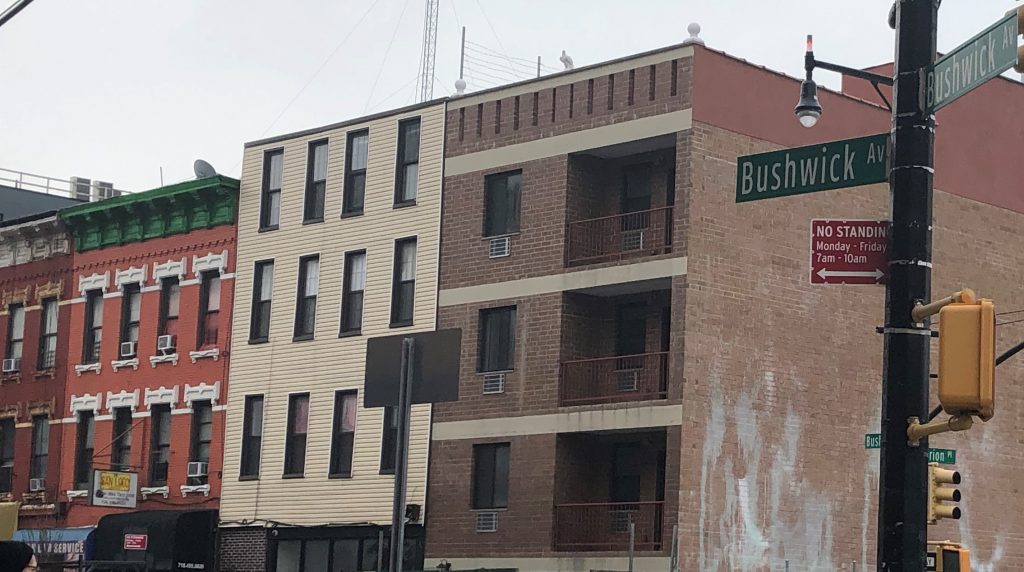
The Center for Urban and Racial Equity is pleased to announce the award of Racial Equity Organizational Change (EOC) Service Grants to three housing and community development organizations. Through a competitive application process, CURE selected RiseBoro Community Partnership (Brooklyn, NY), Green and Healthy Homes Initiative (Baltimore, MD), and Dutchtown South Community Corporation (St. Louis, MO) as recipients of our first racial equity organizational change service grant opportunity. Through CURE’s comprehensive EOC process, grantees will undergo an intensive anti-racist training and knowledge-building process, engage their staff and stakeholders in an assessment to identify areas for improvement, and develop an action plan to operationalize racial equity by aligning internal and external practices to address systemic inequities experienced by people of color employed within their organizations and in housing properties and/or communities in which grantees operate.  “Housing and community development organizations are in a unique position as many primarily serve black and brown communities experiencing various forms of systemic racism including gentrification, employment discrimination, food desserts and police violence” said Dr. Judy Lubin, CURE’s president. “We’re excited to partner with our new grantees to build their racial equity lens and implement practices that address these inequities and build power in collaboration with residents to create safe, healthy and just communities and housing options.” Selected grantees include:  Dutchtown South Community Corporation advances neighborhood vitality through community empowerment, housing stabilization and real estate development in the South St. Louis neighborhoods of Dutchtown, Gravois Park, Marine Villa, and Mt. Pleasant. Amanda Colón-Smith, Dutchtown South Community Corporation Executive Director said, “Five years after the killing of Michael Brown, St. Louis is reminded that we still have much work to do in St. Louis. We as housing and community development practitioners are looking to deepen the skills needed to lead our organizations in promoting the opportunity to thrive for all neighborhoods in our region.”  Green and Healthy Homes Initiative, a national 501(c)3 nonprofit organization that creates, implements and promotes programs and policies to eradicate childhood lead poisoning, reduce asthma episodes and increase the stock of healthy, safe and energy efficient homes. Ruth Ann Norton, Green and Healthy Homes Initiative President and CEO said, “The technical assistance provided by CURE will help GHHI deepen its commitment to advancing racial equity through our work to address the structural racism embedded in decades of U.S. housing by strengthening our internal and external competencies and actions for racial equity.”  RiseBoro Community Partnership is one of New York City’s largest non-profit social service providers with over thirty years of developing neighborhood assets, such as affordable housing, to create the foundation for a more vibrant and diverse community. RiseBoro’s Chief Executive Officer Scott Short said, “RiseBoro Community Partnership recognizes the role that racism plays in suppressing the capacity of communities of color everywhere. In order to achieve our mission of unleashing the potential of communities to thrive, no matter the odds, we must confront racism head on and develop an intentional response to combating its effects. I am excited to partner with CURE to assess the presence of racism within our organization and our work, and to develop a roadmap to end its impact. Thanks to financial support from Borealis Philanthropy’s Racial Equity Accelerating Change (REACH) Fund, CURE is able to provide its racial equity organizational change services at no cost to grantees. The Borealis REACH Fund provides funding to practitioners to provide racial equity consultation services to nonprofit organizations and support cross-sharing, learning and innovation among practitioners to lift up promising practices, case studies, strategies, frameworks and tools that facilitate nonprofits capacity to have greater impact on addressing racial inequities, internally in their organizations and externally in program and service delivery. 

News and Blog

Watch: 400 Years of Inequality and Resistance – 1619 Storytelling Event Videos

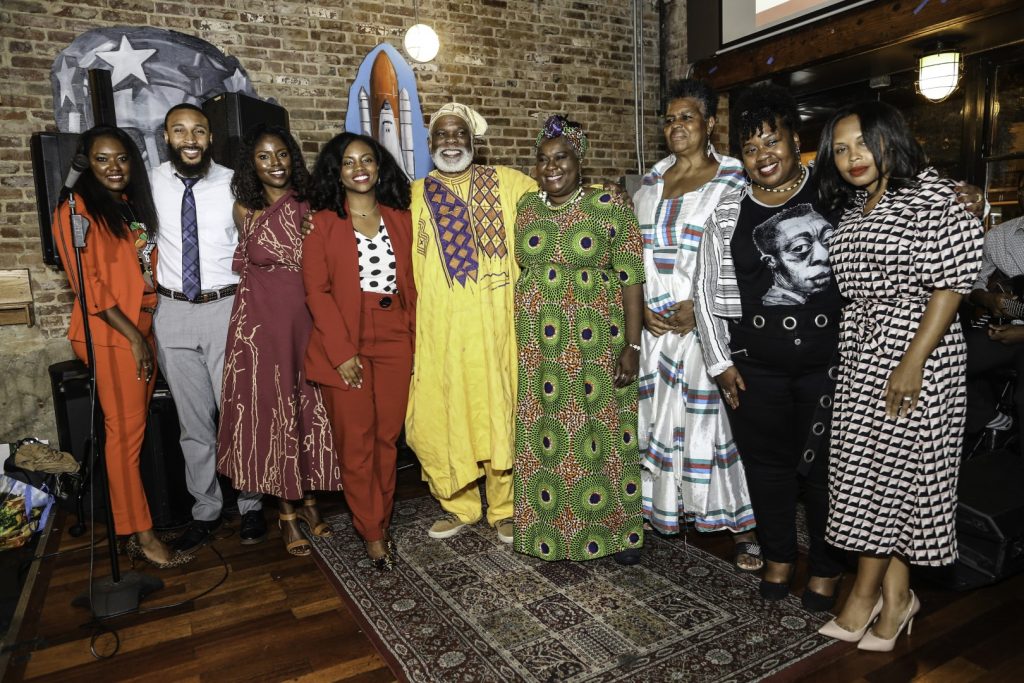
In August 1619, between 20 and 30 enslaved Africans arrived in present-day Hampton, Virginia. The 400th Anniversary of the landing of the first enslaved Africans in English-occupied North America marked the beginning of slavery in the U.S and a history of anti-black laws, norms and practices that continue to shape U.S. culture and society. The Center for Urban and Racial Equity recognizes that our work is inextricably linked to the legacy of slavery and racial oppression in the U.S. We see a direct connection between the quest for freedom that has defined the lived experiences of black people in the U.S. for the past four centuries and our vision for racially equitable workplaces, institutions and communities. And Still We Rise Storytelling Event Responding to a call from the 400 Years of Inequality Coalition for organizations to host place-based convenings to mark the historical and present-day significance of 1619, CURE hosted a storytelling event titled 400 Years: And Still We Rise. The event featured eight dynamic storytellers from across the Washington, DC area who told stories about enslaved people, the struggles of integration, gentrification and the everyday racism that has become part of daily reality of living while black in America. We were also joined by the Mercy Band who provided musical entertainment for the evening. It was a moving and powerful evening of connection and celebration that lifted up the collective stories of black struggle, perseverance, hope and vision for a just future. We’re pleased to share highlights from the event and videos of the phenomenal performances by the talented storytellers who graced the audience with their stories and creative magic. We’re grateful to Baba-C, Nubia, Sesha, Eboni-Rose, Dwight, Monique, Kymone, Arthuretta for sharing their gifts with us. [Click on the photos below to view videos of event speakers and storytellers] [wmts id=”1645″]

Bushwick Ave
News and Blog

Call for Applications: Racial Equity Organizational Consulting Service Grants for Housing and Community Development Organizations

CURE invites nonprofit housing and community development organizations to apply for service grants to receive comprehensive racial equity organizational change (EOC) services. Organizations working in urban areas experiencing high levels of gentrification and displacement of black and brown communities are encouraged to apply. We are especially interested in receiving applications from local and regional housing organizations located in cities in the South, Mid-Atlantic and Northeast including Washington, DC, Baltimore, New York City, Philadelphia, Houston, Atlanta, Miami and New Orleans. Please read the full announcement for application instructions and details about CURE’s racial equity organizational change process. An informational webinar to answer questions about this service grant and the application process will be held on Monday, July 8, 2019, 1:00-1:45 pm ET. Please register for this webinar athttps://zoom.us/meeting/register/db27c36b0be8382cd746f627e8486654.    Applications are due Friday, July 26, 2019. We encourage you to apply if your organization meets the criteria and to share this opportunity with groups in your network that would benefit from subsidized racial equity assessment and planning services.  

Scroll to Top

Judy Lubin

Dr. Judy is an applied sociologist, racial equity changemaker, yoga and mindfulness practitioner, author, auntie, bestie and beach lover. Judy’s elemental nature is water, and with her she brings calming, reflective energy to hold space for deep listening, inner work and transformative dialogue. 

The curator of the Embodied Justice program, she hosts the accompanying podcast and co-facilitates events and dialogues focused on the collective healing and sustainability of Black changemakers.

At CURE, Dr. Judy has built transformative racial equity frameworks and change management processes that have impacted thousands of lives. She began her career focused on health disparities, recognizing that stress from societal racism can become embodied and manifested through “weathering” that prematurely ages the body and shortens the lifespan of racially marginalized communities. 

She is unapologetically committed to centering Black people and the communities that have inspired her life’s work. The daughter of Haitian immigrants, she grew up in South Florida surrounded by music, her grandmother’s herbal garden, and the struggle to make it in a country that saw her family as outsiders. 

In 2022, after experiencing multiple health emergencies coupled with burnout from the intensity of the “racial reckoning” that increased demand for CURE’s racial equity services, Judy began a process of listening to the wisdom of her body, healing old trauma wounds, and reclaiming rest and her love of mind-body healing. During this time she explored somatics, indigenous and and ancestral healing practices and earned certifications in multiple healing modalities including yoga and energy medicine.

Emerging from a place of rest and listening to what her soul wanted to share, she now weaves mindfulness, body-awareness and spiritual activism to support changemakers and organizations to regenerate their leadership and give to the world from a place of ease and wholeness. 

Long committed to promoting women’s health and wellness, she is the author of The Heart of Living Well: Six Principles for a Life of Health, Beauty and Balance.

Find Judy on instagram or linkedin at @drjudylubin, where she (occasionally) shares posts celebrating Black joy, healing and well-being.

Shawn J. Moore

Residing at the intersection of leadership and mindfulness, Shawn creates sacred spaces for stillness and self-inquiry to help social impact leaders align their strengths, intention, and impact. Through his integrative approach, he holds transformative containers for self-renewal, personal discovery, and capacity-building that ease clients on their journey towards peace, clarity, and freedom.

Shawn is committed to empower changemakers to become embodied leaders – unified in mind, body, and heart – with the tools to mindfully pause, reconnect to their inner knowing, make strengths-driven decisions, and lead the change they believe the world needs.  

Reckoning with his own contemplation of burnout, purpose, and alignment, Shawn transitioned out of his role as Associate Dean of Student Life & Leadership at Morehouse College in the fall of 2021 to focus more on mindfulness and stillness-based training programs and workshops. 

While leadership resonates with him deeply, it is his personal and spiritual practices that allows him to continue to show up for himself and others. He is a yoga teacher (E-RYT® 200, RYT® 500, YACEP®), sound and reiki practitioner, meditation teacher, Yoga Nidra facilitator, and Gallup-Certified Strengths Coach, all focused through a Buddhist lens and 17 years of personal practice. He has contributed workshops, practices, and educational opportunities for celebrities like Questlove and Dyllón Burnside, and various yoga studios and colleges, Yoga International, Omstars, Melanin Moves Project, the Human Rights Campaign, Spotify and Lululemon. He currently serves as the Facilitation and Community Manager for BEAM (Black Emotional & Mental Health Collective).

Shawn hosts a podcast called The Mindful Rebel® Podcast that creates a platform to continually explore this unique intersection of leadership and mindfulness. Find him on instagram @shawnj_moore 

This Website Collects Cookies.

We use cookies to analyze website traffic and to provide a better browsing experience.